Mold Removal in Jenkintown, PA
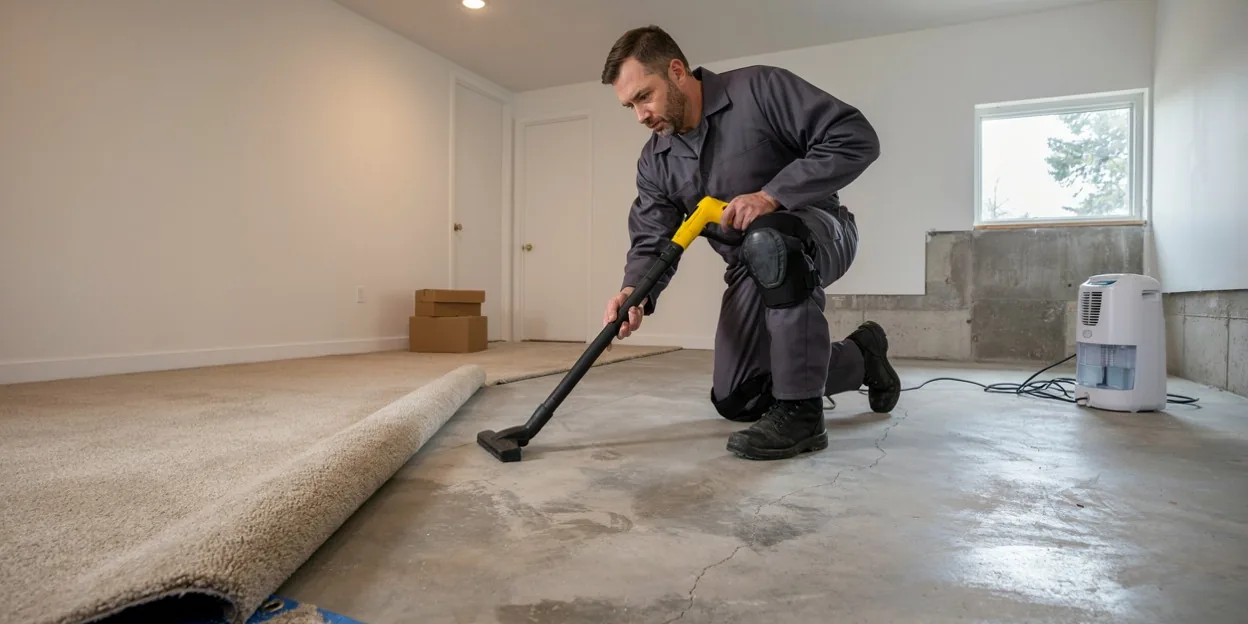
Jenkintown is one of the smallest boroughs in Montgomery County, a little over half a square mile wrapped around the Jenkintown-Wyncote rail station where the regional rail lines split. The housing is almost all pre-1940: brick and stone twins, a few blocks of rowhouses near Old York Road, and larger stone singles on the streets climbing toward Abington. Slate roofs, fieldstone foundations, and radiator heat are the norm.
Tookany Creek skirts the borough's southern edge, and its tributaries run under streets in culverts that overflow in a hard storm. The remnants of Hurricane Ida in September 2021 put water into basements along the low end of town. The more common call is slower: a stone foundation that stays damp from March to June, or a cast-iron stack behind a 1920s bathroom wall that has finally rusted through.
This line puts Jenkintown homeowners through to an independent local mold provider. That provider meters the walls, writes the scope, and does the work. We only make the connection.
Jenkintown mold removal behind the stone and the plaster
A finished basement wall over fieldstone that reads wet is mold removal. Soft plaster along a radiator pipe chase is the same job, and the crew opens only the wet run. A musty smell that follows humid weather with nothing visible is mold odor removal, and in Jenkintown it usually traces to the stone.
A borough code office and a county seat up the road
Permits for the rebuild go through the borough, whose code and zoning contacts are on the Jenkintown Borough site. Deeds, tax records, and the county's own flood maps for Tookany Creek sit with Montgomery County in Norristown.
Call (215) 600-0376 and describe the water and the growth. We put you through to an independent local mold provider serving Jenkintown.
Services Available in Jenkintown
Mold Removal
Growth on plaster or drywall after a party-wall leak, a stone-foundation seep, or a radiator pipe: room sealed, wet material cut to the meter line, framing HEPA-cleaned and dried.
Black Mold Removal
A dark patch on a basement wall or bathroom ceiling handled by how far the water traveled, not its color: containment, porous material out, hard surfaces cleaned, source fixed.
Whole-Home Mold Remediation
A sewer backup that filled the basement or a flat-roof leak that ran down three floors, mapped floor by floor and cleared in zones as one project.
HVAC Mold Cleaning
Coil, drain pan, and condensate line cleaned or replaced when a basement or closet air handler sweats through a humid Philadelphia summer.
Bathroom Mold Removal
Growth behind a vanity, under a tile shower, or on a ceiling with no exhaust fan in a rowhouse second-floor bath, removed with the leak fixed first.
Attic Mold Remediation
Growth on rafters and sheathing under a flat roof or a twin's slate roof, cleaned and treated once the roofing or the ventilation is corrected.
Mold Odor Removal
A musty smell in a rowhouse that looks fine, traced to a wet stone wall, a damp joist end, or the dirt under an old cellar floor, then removed and treated.
Mold Damage Repair
Plaster, drywall, baseboard, and subfloor put back after removal, once the basement reads dry and the roof, pipe, or drain that caused it is repaired.