Mold Removal in Conshohocken, PA
Conshohocken climbs a steep hill on the north bank of the Schuylkill River in Montgomery County, an old steel and iron town whose rowhouses and twins were built for mill workers between the 1870s and the 1920s. Fayette Street runs straight up from the river, and the brick rows on either side have stone foundations, flat or shallow-pitched roofs, and basements dug into a hillside that drains toward the water.
The river is the story. The remnants of Hurricane Ida on September 1 and 2, 2021 put the Schuylkill through the riverfront office and apartment buildings along the low end of town and up into the streets closest to the water. On the hill, the problem is the hill: groundwater moving downslope through a stone foundation after every wet week, and a flat roof whose drain box clogs.
When you call from Conshohocken, we put you through to an independent local mold provider. The provider does the metering, the scope, and the work; we set up the call and nothing more.
Conshohocken mold removal from the riverfront to the top of Fayette Street
A stone cellar wall on the uphill side of a rowhouse that stays wet is mold removal. A ground floor that took river water in Ida and was pumped out but never opened up is whole-home mold remediation. A second-floor bathroom ceiling under a ponding roof is black mold removal, and the roofer clears the drain box first.
The borough's code office handles the rebuild permit
Permits for plumbing, electrical, and structural work after removal run through the borough, whose code enforcement contacts are on the Borough of Conshohocken site. Pennsylvania has no mold license; check the contractor's Attorney General registration number on the proposal instead.
Call (215) 600-0376 and describe the water and the growth. We put you through to an independent local mold provider serving Conshohocken and West Conshohocken.
Services Available in Conshohocken
Mold Removal
Growth on plaster or drywall after a party-wall leak, a stone-foundation seep, or a radiator pipe: room sealed, wet material cut to the meter line, framing HEPA-cleaned and dried.
Black Mold Removal
A dark patch on a basement wall or bathroom ceiling handled by how far the water traveled, not its color: containment, porous material out, hard surfaces cleaned, source fixed.
Whole-Home Mold Remediation
A sewer backup that filled the basement or a flat-roof leak that ran down three floors, mapped floor by floor and cleared in zones as one project.
HVAC Mold Cleaning
Coil, drain pan, and condensate line cleaned or replaced when a basement or closet air handler sweats through a humid Philadelphia summer.
Bathroom Mold Removal
Growth behind a vanity, under a tile shower, or on a ceiling with no exhaust fan in a rowhouse second-floor bath, removed with the leak fixed first.
Attic Mold Remediation
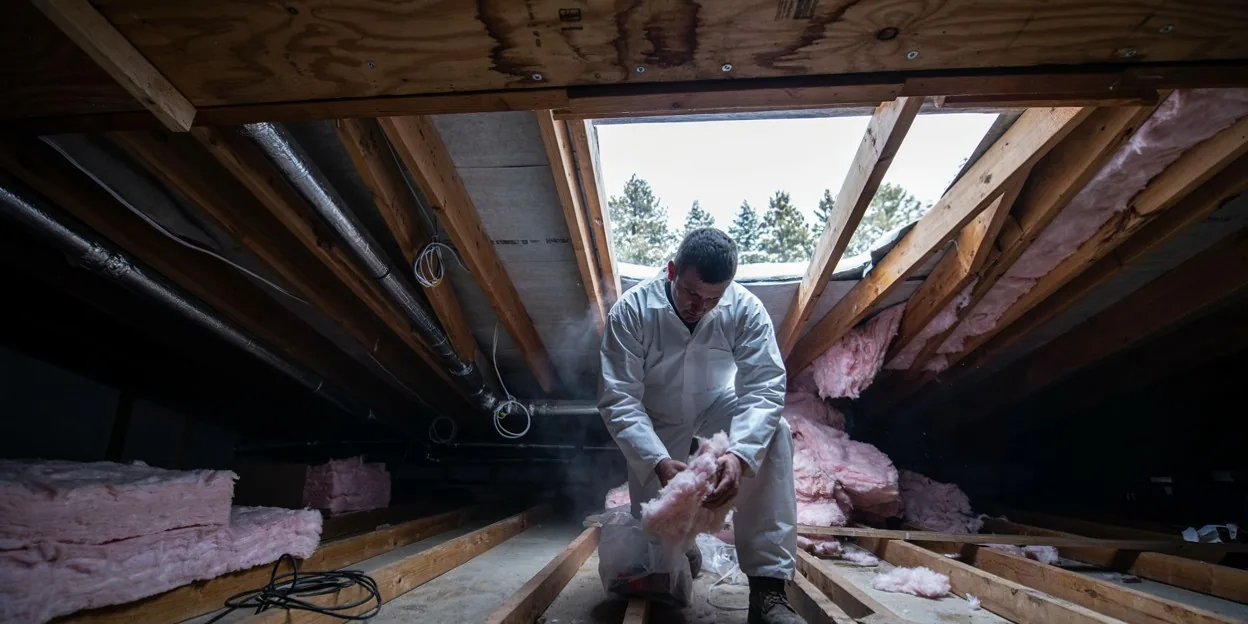
Growth on rafters and sheathing under a flat roof or a twin's slate roof, cleaned and treated once the roofing or the ventilation is corrected.
Mold Odor Removal
A musty smell in a rowhouse that looks fine, traced to a wet stone wall, a damp joist end, or the dirt under an old cellar floor, then removed and treated.
Mold Damage Repair
Plaster, drywall, baseboard, and subfloor put back after removal, once the basement reads dry and the roof, pipe, or drain that caused it is repaired.