Mold Removal in Bensalem, PA
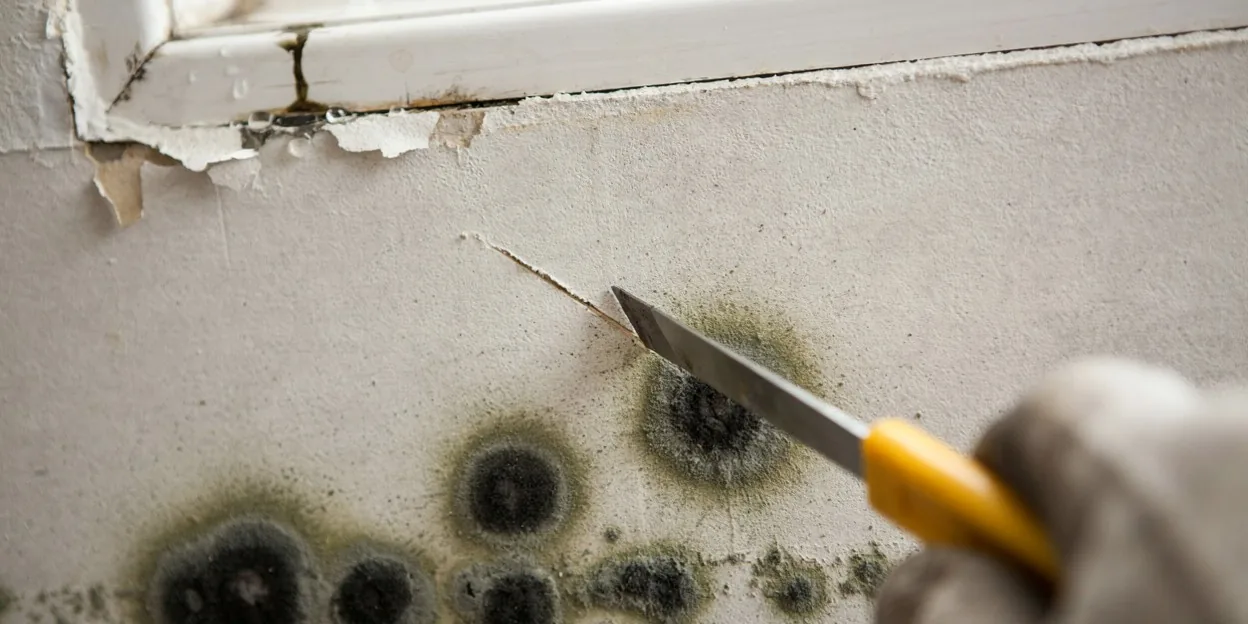
Bensalem is the largest township in Bucks County, stretching from the Philadelphia line at Poquessing Creek to Neshaminy Creek and down to the Delaware River. Most of the housing went up after 1950: brick and frame ranches, split-levels, and colonials on quarter-acre lots, plus the townhouse and apartment complexes along Street Road and Bristol Pike. Basements are poured concrete or block, and most of them were finished at some point with paneling and carpet.
Neshaminy Creek is the flood line here. The remnants of Hurricane Ida on September 1, 2021 pushed it well past its banks, and neighborhoods along the creek and the Delaware took water into basements and ground floors. Away from the creek, Bensalem mold calls come from a sump pump that failed during a storm, a finished basement wall that sweats through a humid July, or an air handler in a damp basement whose drain pan overflowed.
Owners in Bensalem reach an independent local mold provider through the phone number on this site. That provider walks the house with a meter and says what it needs. Our part is the call.
Bensalem mold removal in a split-level or a creekside ranch
Paneling and carpet over a block wall that reads wet is mold removal. A musty smell every time the central air starts is HVAC mold cleaning at the coil and pan in the basement. A ground floor that took Neshaminy water is whole-home mold remediation, with everything porous the water touched coming out.
Township permits and the county's creek maps
The rebuild after removal is permitted through the township's building and planning department, reached from the Bensalem Township site, and the provider files it. Bucks County maintains the floodplain mapping for Neshaminy Creek and the Delaware that your insurer and your lender will refer to.
Call (215) 600-0376 and tell us what you see. We put you through to a local mold provider serving Bensalem.
Services Available in Bensalem
Mold Removal
Growth on plaster or drywall after a party-wall leak, a stone-foundation seep, or a radiator pipe: room sealed, wet material cut to the meter line, framing HEPA-cleaned and dried.
Black Mold Removal
A dark patch on a basement wall or bathroom ceiling handled by how far the water traveled, not its color: containment, porous material out, hard surfaces cleaned, source fixed.
Whole-Home Mold Remediation
A sewer backup that filled the basement or a flat-roof leak that ran down three floors, mapped floor by floor and cleared in zones as one project.
HVAC Mold Cleaning
Coil, drain pan, and condensate line cleaned or replaced when a basement or closet air handler sweats through a humid Philadelphia summer.
Bathroom Mold Removal
Growth behind a vanity, under a tile shower, or on a ceiling with no exhaust fan in a rowhouse second-floor bath, removed with the leak fixed first.
Attic Mold Remediation
Growth on rafters and sheathing under a flat roof or a twin's slate roof, cleaned and treated once the roofing or the ventilation is corrected.
Mold Odor Removal
A musty smell in a rowhouse that looks fine, traced to a wet stone wall, a damp joist end, or the dirt under an old cellar floor, then removed and treated.
Mold Damage Repair
Plaster, drywall, baseboard, and subfloor put back after removal, once the basement reads dry and the roof, pipe, or drain that caused it is repaired.