Mold Damage Repair in Philadelphia, PA
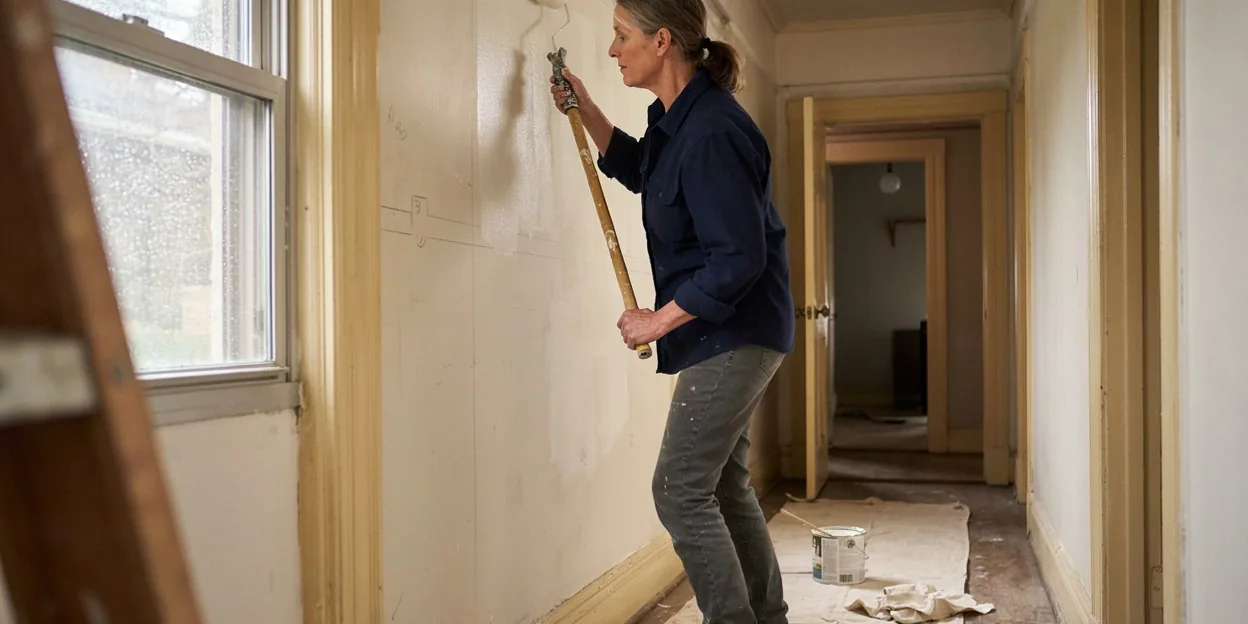
The removal crew finished Thursday. The basement is bare stone and clean joists with a dehumidifier still humming, the bathroom floor is open to the kitchen ceiling below, and the ceiling in the back bedroom is a rectangle of lath. The house is dry and the leak is fixed. Now it has to become a house again. This site connects you by phone with an independent local provider who does mold damage repair in Philadelphia and across Philadelphia County, and in many cases the same provider that did the removal.
Checking that the house is dry and the source is fixed before anything is closed
Before a sheet of drywall goes up, the provider meters every surface the removal crew exposed and compares it with the readings taken when the demolition stopped. Stone, brick, joists, and subfloor have to read dry, and the roofer's or plumber's work has to be done and tested with water. A wall closed over damp framing or an unfixed leak grows mold again by the next humid summer, and the rebuild has to be torn out a second time.
The provider also walks the line between what the removal scope covered and what the rebuild covers, and writes it down, so you know what you are paying for in each phase.
Keep the dehumidifier running and gather the removal paperwork
Leave the dehumidifier and any air movers the crew left running until the rebuild starts; the framing keeps giving up moisture for days after it reads dry on the surface. Keep the removal crew's photos, moisture logs, and scope together with the roofer's or plumber's invoice. If the loss is a claim, your adjuster will want that file before approving the rebuild.
Decide now whether you want the basement finished the same way it was. In a Philadelphia stone-foundation cellar, the paneling and carpet that just came out are the reason the wall grew mold, and the provider can talk through finishes that handle a damp wall better.
Plaster, drywall, tile, and floor back in an order that stays dry
Framing that was cut back is sistered or replaced, and in a rowhouse that sometimes means a joist end that sat in a wet stone pocket. New drywall or a plaster skim goes up on walls and ceilings; in an older house the provider matches the plaster thickness so the trim lines up. Bathroom subfloor and underlayment go back, then tile or vinyl, then the vanity and the toilet on a new wax ring. Baseboard, shoe molding, and paint finish the room.
In a basement on a stone wall, the rebuild often changes: furring held off the stone with a drainage gap, a moisture-tolerant board rather than paper-faced drywall, and a hard floor finish instead of carpet. The exhaust fan the bathroom never had goes in with a duct to the outside. If more growth turns up when the rebuild opens something new, the provider stops and that section goes back to mold removal; if the attic framing was part of the job, see attic mold remediation.
What a Philadelphia rebuild means at the L&I permit desk
Pennsylvania does not license mold remediators, but it does require home improvement contractors to register with the Attorney General under the Home Improvement Consumer Protection Act and show a PA registration number on contracts and estimates, so look for that number on the rebuild proposal. Inside the city, a rebuild that touches plumbing, electrical, structure, or the roof needs a permit from the Department of Licenses and Inspections, and the provider pulls it. In Upper Darby, Cheltenham, Bensalem, Lower Merion, or a borough like Jenkintown or Conshohocken, the township or borough code office issues it instead.
A rowhouse on the Philadelphia Register of Historic Places adds a step for exterior work such as a new cornice, parapet, or roof covering, which the Historical Commission reviews before the permit issues. Interior drywall, plaster, tile, and trim do not need that review. Most Pennsylvania homeowner policies that pay for the removal also pay for the rebuild of what the removal took out, up to the policy's mold limit, and the adjuster decides from the file you kept.
Calling about putting a Philadelphia house back together
Have the address, what was removed and from which rooms, and whether the removal crew's paperwork and the roofer's or plumber's invoice are in hand. Say whether you want the basement finished the way it was or built to handle a damp wall. Call (215) 600-0376.