Black Mold Removal in Philadelphia, PA
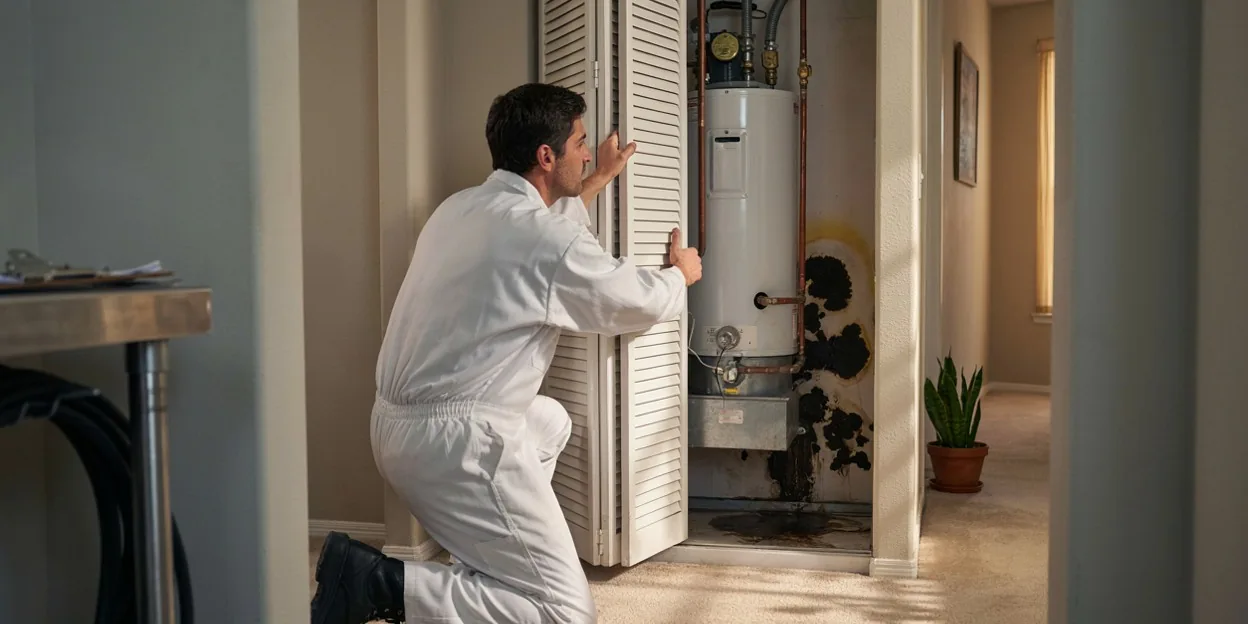
The ceiling above the tub in the second-floor bathroom has a black patch the size of a serving tray, and it has grown since the last rain. The flat roof is right above it, and you have noticed the drain box on the roof holds a puddle for a day after every storm. You searched the color and found nothing but frightening pages. This site connects you by phone with an independent local provider who does black mold removal in Philadelphia and across Philadelphia County.
Why the crew does not need to name it before removing it
Dark growth on a wet ceiling is handled by how far the water traveled, not by what shade it turned. Dark, green, gray, and white growth on wet plaster or drywall all get the same sequence: find the moisture, seal the room, remove what is porous, clean what is not, and fix the source before closing. The crew meters the ceiling from the patch outward in every direction, and up into the joist bay above, and marks where the wet stops.
Containment goes up before a cut. Plastic seals the bathroom door, the exhaust fan (if there is one) and any return grille are taped over, and a HEPA air scrubber ducted to the window puts the room under negative pressure.
Stop using the shower in that room and check the roof box
Stop using that bathroom until the crew has looked at it; every hot shower pushes more moisture into wet plaster. Open the window if there is one. Photograph the patch and the ceiling around it. If you can get to the roof safely, look at the drain box and clear the leaves, the tennis ball, or the asphalt gravel sitting in it; if you cannot, ask a roofer to.
Do not spray the patch with bleach or scrub it. Wet plaster sheds spores when it is disturbed, and the growth is in the plaster and the lath behind the surface, where a spray never reaches. Do not paint over it. The stain will come back through within weeks, and the next person to open the ceiling will find the growth has kept going behind the fresh coat.
Wet plaster and lath out, joists cleaned, roof fixed before the patch is closed
Plaster, lath, drywall, and any insulation in the joist bay come out to a set distance past the meter line and go into bags inside the containment. The joists and the underside of the roof deck stay if they read dry after cleaning; a deck that has been wet under a ponding roof for years sometimes needs a section replaced, and the crew tells you that before they do it.
Every surface inside the containment is HEPA vacuumed and wiped down. Air movers and a dehumidifier run until the joists read dry. If the dark growth is on the roof framing itself rather than the ceiling, see attic mold remediation. If it is behind the vanity or under the tile, see bathroom mold removal. The ceiling does not get closed until the roofer has fixed the drain and the parapet seam; closing it goes under mold damage repair.
Ponding roofs and the pages that scare Philadelphia homeowners
A Philadelphia rowhouse roof is flat or nearly flat, drains to one box and one downspout, and is covered with built-up asphalt, modified bitumen, or a silver-coated membrane. When the box clogs the roof ponds, and the standing water finds the parapet flashing, the seam around the box, or a nail pop. The ceiling below is usually a bathroom or a back bedroom, and after a wet year the patch on it turns dark.
Pennsylvania does not license mold assessors or remediators, and it does not set a rule for what color of growth requires a professional. What matters is the material and the extent: a dark spot on grout is a rag job, a dark patch on plaster that is still wet above it is not. Mold can aggravate allergies and breathing problems for some people, so keep anyone sensitive out of that room until the work is done, and tell the crew about them so containment is planned with them in mind. Nobody on this line will diagnose anyone's health or promise an outcome.
Calling about a dark patch in a Philadelphia bathroom
Have the address, which room the patch is in and what it is growing on, and whether the roof above it ponds or a pipe runs behind it. Say how long it has been growing and whether anyone has sprayed or painted it. Call (215) 600-0376.