Mold Removal in Germantown, PA
Germantown runs along Germantown Avenue from Wayne Junction up to Mount Airy, and it has the widest range of old housing in the city: 1700s stone houses along the avenue, 1850s through 1890s stone and brick Victorians on the side streets, many of them divided into apartments, and 1900s through 1920s brick rowhouses and twins filling in the rest. Fieldstone foundations, slate roofs, and radiator heat are the norm on anything built before 1930.
This line puts Germantown homeowners through to an independent local mold provider. That provider meters the walls, writes the scope, and does the work. We only make the connection.
The Wingohocking Creek once ran through the neighborhood and was buried as a sewer more than a century ago, and the Water Department names Germantown among the low-lying areas where that combined sewer backs up most in heavy rain. A basement on the old creek line takes storm water up the floor drain. The stone foundations weep on their own through a humid summer, and a big Victorian cut into six apartments has six bathrooms leaking into walls built for none.
Germantown mold removal in a stone Victorian cut into apartments
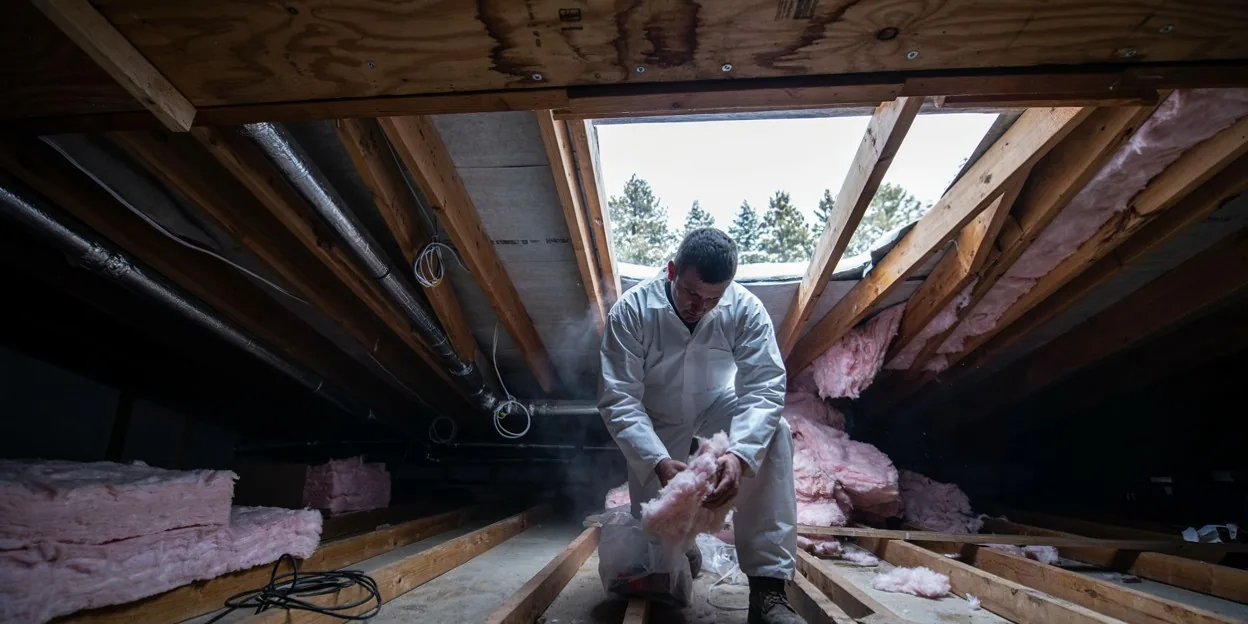
Soft plaster along a pipe chase between stacked bathrooms is mold removal, and the crew opens only the wet run. A basement that took sewer water through the floor drain and reached the first floor is whole-home mold remediation. A dark north slope across a slate-roofed attic is attic mold remediation.
Eighteen historic houses and a buried creek
Historic Germantown is the partnership of eighteen historic houses and museums along and near the avenue, some of which stand on foundations older than the United States and manage the same ground moisture every homeowner on the block does.
Call (215) 600-0376 and describe the water and the growth. We put you through to an independent local mold provider serving Germantown.
Services Available in Germantown
Mold Removal
Growth on plaster or drywall after a party-wall leak, a stone-foundation seep, or a radiator pipe: room sealed, wet material cut to the meter line, framing HEPA-cleaned and dried.
Black Mold Removal
A dark patch on a basement wall or bathroom ceiling handled by how far the water traveled, not its color: containment, porous material out, hard surfaces cleaned, source fixed.
Whole-Home Mold Remediation
A sewer backup that filled the basement or a flat-roof leak that ran down three floors, mapped floor by floor and cleared in zones as one project.
HVAC Mold Cleaning
Coil, drain pan, and condensate line cleaned or replaced when a basement or closet air handler sweats through a humid Philadelphia summer.
Bathroom Mold Removal
Growth behind a vanity, under a tile shower, or on a ceiling with no exhaust fan in a rowhouse second-floor bath, removed with the leak fixed first.
Attic Mold Remediation
Growth on rafters and sheathing under a flat roof or a twin's slate roof, cleaned and treated once the roofing or the ventilation is corrected.
Mold Odor Removal
A musty smell in a rowhouse that looks fine, traced to a wet stone wall, a damp joist end, or the dirt under an old cellar floor, then removed and treated.
Mold Damage Repair
Plaster, drywall, baseboard, and subfloor put back after removal, once the basement reads dry and the roof, pipe, or drain that caused it is repaired.